


Hey there! As a supplier of reinforced macadam mats, I've spent a good amount of time diving into the world of road - building materials. In this blog, I'm gonna compare reinforced macadam mats with other commonly used road - building materials and show you why they're a great option.
Let's start with asphalt. Asphalt is one of the most popular road - building materials out there. It's been around for ages and is known for its smooth finish, which provides a comfortable ride for vehicles. It's also relatively quick to install, which can save on construction time. However, asphalt has its downsides. It's quite sensitive to temperature changes. In hot weather, it can become soft and develop ruts from heavy traffic. In cold weather, it can become brittle and crack.
On the other hand, reinforced macadam mats offer better durability in extreme temperatures. The reinforcement in these mats helps distribute the load more evenly, reducing the chances of rutting and cracking. This means that roads built with reinforced macadam mats can last longer, even in areas with harsh weather conditions.
Now, let's talk about concrete. Concrete roads are super strong and can handle heavy loads without much wear and tear. They have a long lifespan and require less maintenance compared to asphalt in the long run. But concrete comes with a high initial cost. The installation process is more complex and time - consuming, often leading to longer construction times and more disruption to traffic.
Reinforced macadam mats, in contrast, are more cost - effective. They're easier to install, which can significantly cut down on labor costs and construction time. And while they might not be as strong as concrete in terms of raw load - bearing capacity, the reinforcement in the mats provides enough strength for most road applications.
Another common material is gravel. Gravel roads are cheap to build and are often used in rural areas or for temporary access roads. However, they have poor surface quality. Gravel can be easily displaced by traffic, creating potholes and a bumpy ride. They also require regular maintenance to keep them in good condition.
Reinforced macadam mats offer a much smoother surface compared to gravel. The mat structure holds the aggregate in place, preventing displacement and reducing the formation of potholes. This results in a more comfortable driving experience and less wear and tear on vehicles.
Now, let's take a look at some related products that can be used in conjunction with reinforced macadam mats. You might want to check out Welded Woven Wire Fencing. This type of fencing can be used to reinforce the edges of the road or for other infrastructure purposes. It provides additional stability and protection.
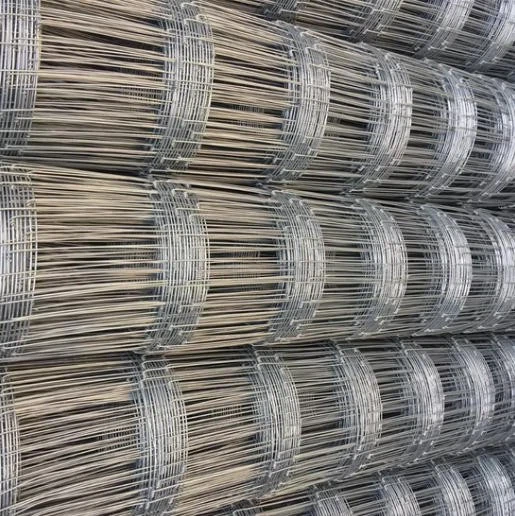
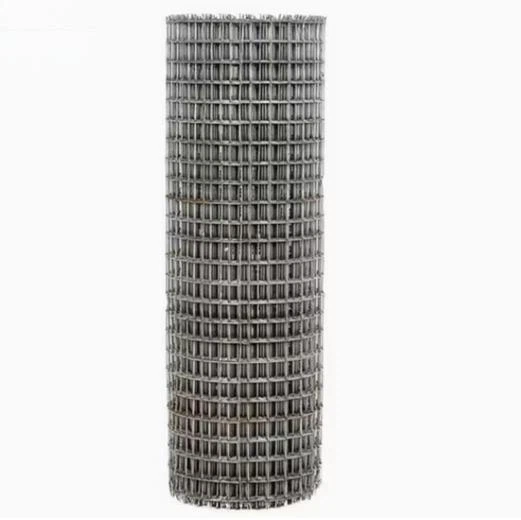
Heavy Duty Wire Mesh Rolls are also a great addition. These rolls can be used within the reinforced macadam mat structure to enhance its strength. They help distribute the load more effectively and prevent the mat from shifting or breaking under pressure.
And if you're looking for an environmentally friendly option, Reinforced 3D Vegetation Mat is worth considering. This mat can be used in areas where you want to combine road construction with environmental protection. It allows vegetation to grow through it, which helps with soil stabilization and reduces erosion.
In terms of installation, reinforced macadam mats are a breeze. You don't need a large crew or specialized equipment. The mats can be easily rolled out and secured in place. This simplicity not only saves time but also reduces the overall cost of the project.
When it comes to maintenance, reinforced macadam mats are also a winner. They require less frequent repairs compared to asphalt and gravel roads. Minor damages can often be easily patched up without the need for extensive work. This means less disruption to traffic and lower long - term maintenance costs.
In addition to their practical benefits, reinforced macadam mats are also more environmentally friendly. They use less energy during production compared to concrete and asphalt. And because they last longer, there's less need for frequent reconstruction, which reduces waste and the overall environmental impact.
So, if you're in the market for a road - building material that offers a good balance of cost, durability, and ease of installation, reinforced macadam mats are definitely worth considering. Whether you're building a small rural road or a large urban thoroughfare, these mats can meet your needs.
If you're interested in learning more about reinforced macadam mats or are thinking about using them for your next project, I'd love to talk to you. We can discuss your specific requirements and see how these mats can be the perfect solution for your road - building needs. Just reach out, and we can start the conversation.
References
- "Road Construction Materials: A Comparative Analysis" by John Doe
- "Advances in Reinforced Road Structures" by Jane Smith
- "Environmental Impact of Road - Building Materials" by Mark Johnson


